1
/
of
6
Astilbe
Astilbe
MINIMUM ORDER QUANTITY: 3 Bunches (30 stems)
ASTILBE—10 STEM/BUNCH
Wholesale Garden Flowers | Northern Virginia
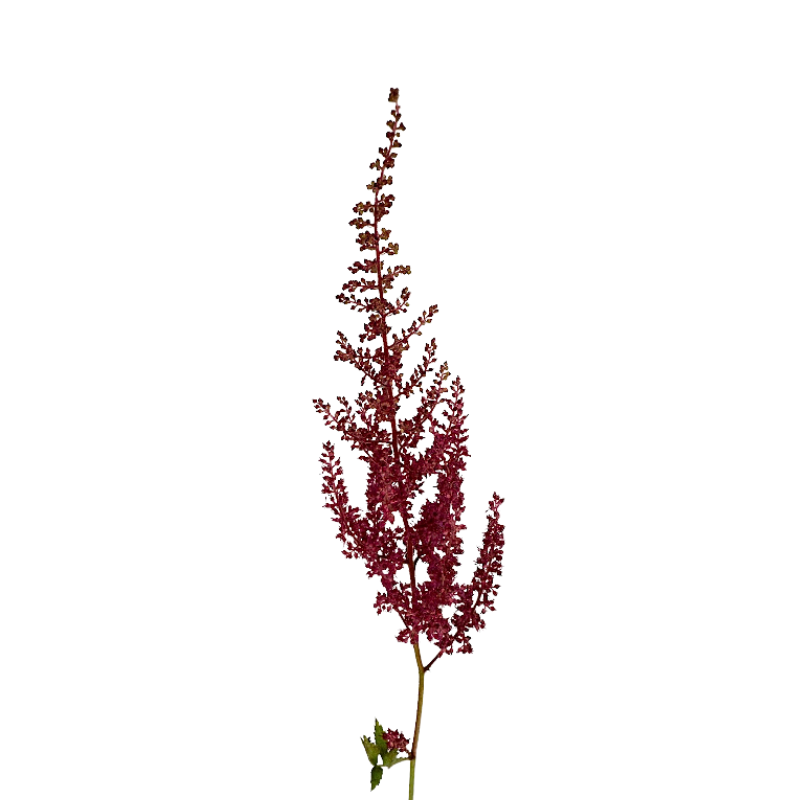
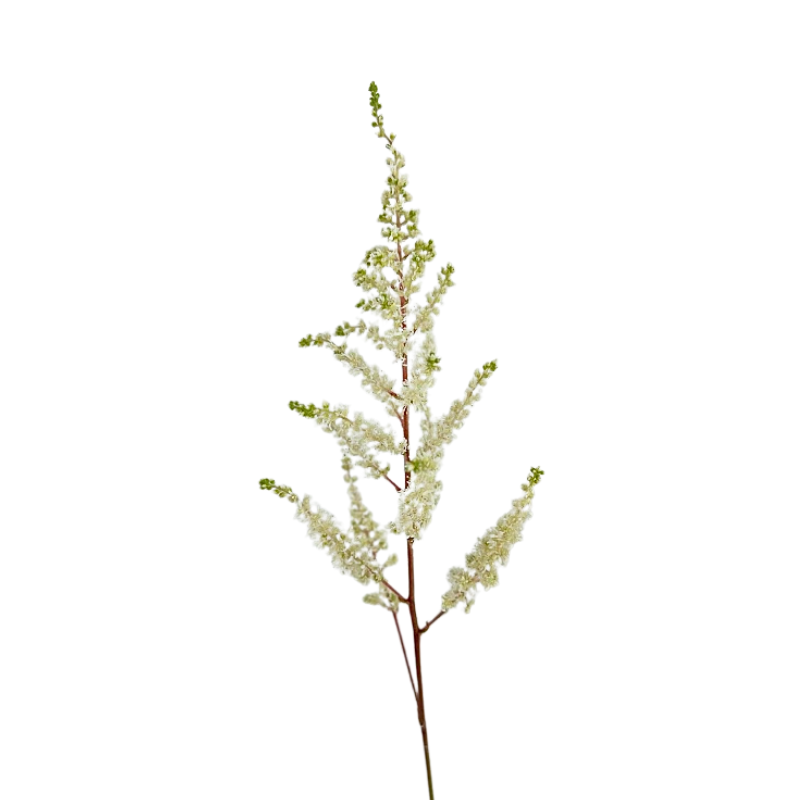
Astilbe (Astilbe × arendsii) is beloved for its soft, feathery plumes and unmistakable texture. Available in shades of white, blush, pink, lavender, and deep rose, astilbe brings movement, dimension, and a distinctly romantic garden feel to floral designs. Its airy appearance helps soften arrangements while adding visual interest that feels elegant rather than overwhelming.
Quantity
Regular Price
$22.95 USD
Regular Price
Sale Price
$22.95 USD
Delivery Calculated at Checkout
DETAILS + SPECS
DETAILS + SPECS
SEASONALITY
➜ Available Most of the Year
➜ Peak Spring–Summer (May–Sep)
DESIGN TYPE
➜ Accent Flower, Texture Flower
VASE LIFE
➜ Sensitive
BLOOM SIZE
➜ 4–10in+ Plumes
STEM LENGTH
➜ 40–70cm
CARE + HANDLING
CARE + HANDLING
➜ Astilbe should be hydrated as soon as possible after arrival and is best processed within 24 hours, as the delicate plumes can dehydrate and dry out faster than many cut flowers
➜ Give stems a fresh cut and allow 2–3 hours of hydration before designing, keeping buckets topped off with plenty of clean water
➜ Don't let the stems run dry during production—even a short period without water can cause the plumes to lose their soft, full appearance
➜ Process astilbe later in your recipe whenever possible, limiting the amount of time it spends out of water while you're building larger arrangements
➜ Astilbe is beautiful in hand-tied bridal bouquets, garden-style vase arrangements, meadow-inspired centerpieces, ceremony florals, and romantic spring weddings where soft texture creates natural transitions between larger blooms
➜ If you're designing several days before an event, check water levels daily—astilbe is thirstier than it looks and appreciates consistently deep hydration
➜ Plan your event timeline carefully—astilbe performs beautifully when fresh, but it's a flower that rewards good production timing
➜ Keep finished designs out of direct sun and away from heat sources whenever possible to help preserve the soft texture of the blooms
PROS + CONS
PROS + CONS
POSITIVES ➜
♡ Unique feathery texture
♡ Romantic garden aesthetic
♡ Excellent movement and softness
♡ Highly sought after for weddings
NEGATIVES ➜
✗ More delicate than sturdier flowers
✗ Can dry out quickly if neglected
✗ Availability is difficult in peak-season
✗ Makes everything around it look slightly more romantic
FAQ's
FAQ's
Why is my astilbe wilting even though it has water?
➜ Astilbe is incredibly sensitive to dehydration; unlike many flowers that gradually show signs of stress, astilbe often looks perfectly fine until it suddenly doesn't—even brief periods without water can cause plumes to droop, dry out, or develop brown tips
➜ When working with astilbe, process it immediately, keep it hydrated at all times, and avoid leaving finished designs out of water for extended periods
Why does my astilbe look smaller than it did yesterday?
➜ Astilbe naturally loses volume as it dehydrates, which is why consistent hydration is one of the most important parts of successfully designing with it
Is astilbe a good choice for weddings?
➜ Absolutely—as long as it's fresh and properly hydrated, it's one of the most beautiful flowers for creating soft, romantic texture in spring and early summer designs
Can astilbe be used in personal flowers, arches, or installations?
➜ Proceed with caution—the longer astilbe spends away from water, the more unpredictable its performance becomes
➜ While undeniably attractive, it's not known for being particularly durable—bouquets and centerpieces with a reliable water source are usually fine, but wearables, large installations, and designs exposed to heat, wind, or direct sun are risky
How far in advance can I arrange astilbe?
➜ The closer to the event, the better—astilbe is not one of the flowers most florists would push several days ahead
Does astilbe have fragrance?
➜ Most varieties have little to no noticeable scent
Can astilbe be used as a filler flower?
➜ It certainly can, but many designers also use larger plumes as an accent or texture flower with a naturally ethereal impression
Does astilbe need special care compared to other flowers?
➜ Honestly? Yes—astilbe is one of those flowers that rewards good flower care and punishes bad flower care: clean buckets, fresh water, proper hydration, cool storage, and prompt processing make a noticeable difference in how it performs
DESIGNER NOTES
DESIGNER NOTES
☆ Adds unmatched soft texture and movement
☆ A favorite in romantic and garden-style designs
☆ Creates beautiful transitions between focal flowers
☆ Particularly popular in wedding work
☆ Somehow manages to look delicate and dramatic at the same time
POPULAR PAIRINGS
POPULAR PAIRINGS
☆ Garden Roses
☆ Ranunculus
☆ Sweet Pea
☆ Scabiosa
☆ Lisianthus
☆ Cosmos
☆ Jasmine Vine
FLOWER FACTS
FLOWER FACTS
☆ Each feathery plume is made up of hundreds of tiny individual flowers, giving astilbe its signature cloud-like appearance
☆ Astilbe is one of the floral industry's favorite flowers for introducing softness and texture without adding visual heaviness
☆ Astilbe is ethylene sensitive—keeping it near ripening fruits or decaying plant matter (like the bits of petals and stems that get lost under design stations and delivery carts in a flower shop) will cause it to wilt much faster