1
/
of
1
BEAR GRASS
BEAR GRASS
MINIMUM ORDER QUANTITY: 1 Bunch (50 stems)
BEAR GRASS—50 STEM/BUNCH
Wholesale Grasses + Foliage | Chantilly, VA
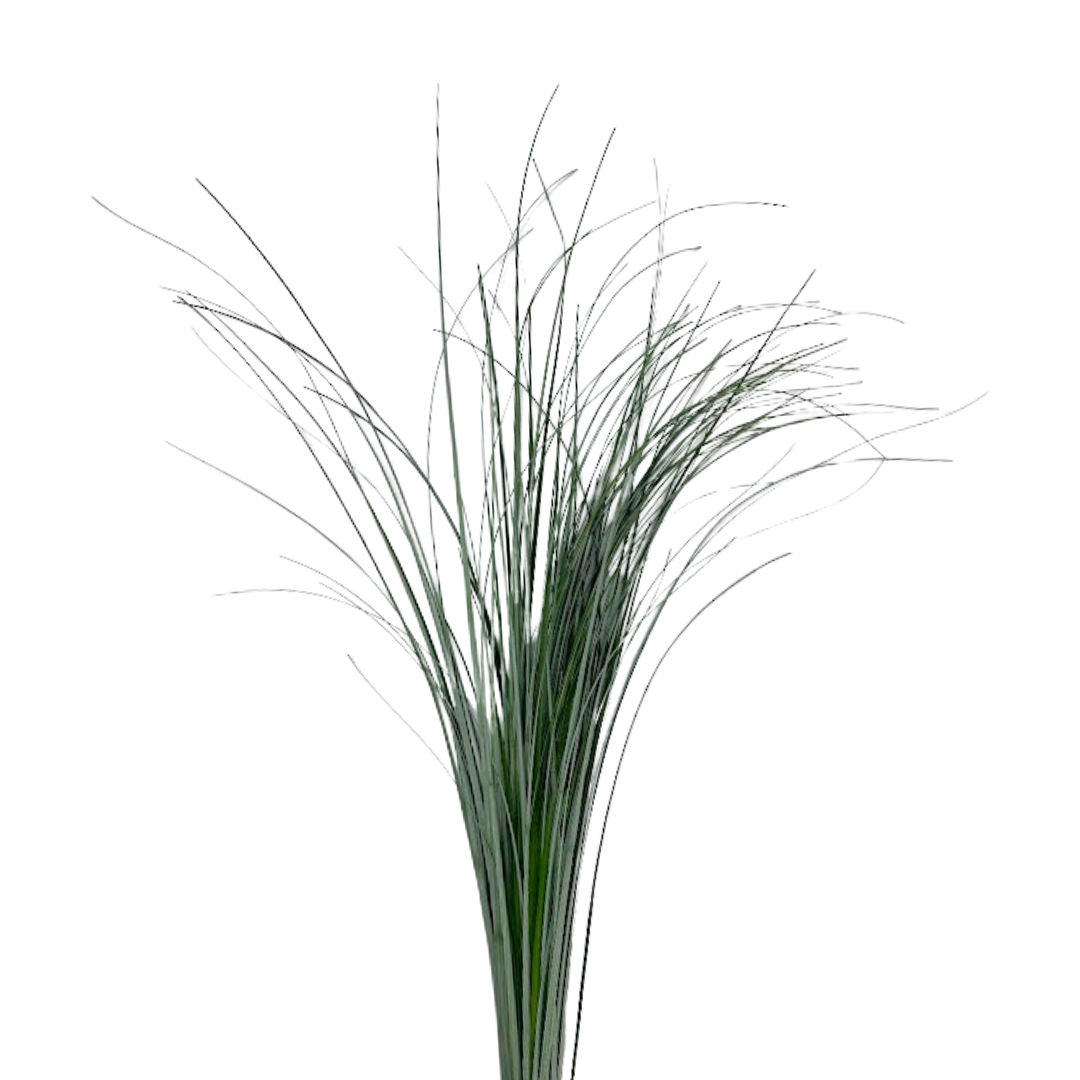
Bear grass (Xerophyllum tenax) is one of those products that quietly improves everything around it. Known for its long, narrow blades and graceful movement, bear grass adds form, texture, and dimension without visual weight. Whether left natural, looped, braided, or manipulated into creative forms, it provides designers with endless possibilities.
Quantity
Low Stock
Regular Price
$4.95 USD
Regular Price
Sale Price
$4.95 USD
Delivery Calculated at Checkout
Couldn't Load Pickup Availability
DETAILS + SPECS
DETAILS + SPECS
SEASONALITY
➜ Available Year-Round
DESIGN TYPE
➜ Greenery, Foliage, Line Element
VASE LIFE
➜ Long-Lasting
STEM LENGTH
➜ 60–120cm
CARE + HANDLING
CARE + HANDLING
➜ Bear grass is comfortable staying dry-packed for multiple days in the cooler
➜ Give stems a substantial chop across stems and drop into cool, clean water in a moderately full bucket
➜ Allow blades to relax and hydrate before designing to ensure flexible form for looping or weaving
➜ Keep away from prolonged heat and direct sunlight
PROS + CONS
PROS + CONS
POSITIVES ➜
♡ Excellent movement and flexibility
♡ Long-lasting performance
♡ Highly versatile
♡ Useful in modern and classic designs
NEGATIVES ➜
✗ Occasionally develops a mind of its own
✗ Can tangle during processing
✗ Easy to underestimate until you need it
✗ Somehow ends up everywhere on the design table
FAQ's
FAQ's
What is bear grass used for in floral design?
➜ Bear grass is commonly used to create lines, movement, texture, and decorative loops within arrangements
Why are some blades longer than others?
➜ Completely normal—bear grass naturally varies in length, width, and curvature from blade to blade; that variation helps create a more natural, flowing design
Can I loop, braid, or knot bear grass?
➜ Absolutely, bear grass is one of the few greenery varieties specifically prized for its flexibility and ability to be manipulated into decorative shapes
➜ It's commonly used in contemporary floral design to create loops, twists, and woven accents
Is bear grass considered foliage?
➜ Yes, it's primarily used as a textural foliage and design element
Why is my bear grass curling?
➜ Bear grass naturally develops gentle curves as it grows and may curl slightly as it hydrates or dries—most designers use those curves to create movement rather than trying to straighten them
Can bear grass be used outdoors?
➜ Yes—it generally performs well outdoors, though prolonged heat and direct sunlight may cause the blades to dry more quickly
Why do some blade tips look brown?
➜ Minor browning or split tips can occur naturally during harvesting and shipping—most florists simply trim the tips before designing if needed
Why doesn't my bunch look very full?
➜ Bear grass isn't designed to create fullness—it's used to add clean lines, graceful movement, and modern detail throughout a design
DESIGNER NOTES
DESIGNER NOTES
☆ Excellent for creating movement and line
☆ Useful in both contemporary and traditional designs
☆ Can be looped, woven, braided, and manipulated creatively
☆ Adds interest without visual bulk
☆ One of the most versatile accent greens available
POPULAR PAIRINGS
POPULAR PAIRINGS
☆ Calla Lilies
☆ Roses
☆ Orchids
☆ Hydrangea
☆ Aspidistra
☆ Snapdragons
☆ Mini Callas
FOLIAGE FACTS
FOLIAGE FACTS
☆ Bear grass isn't actually a true grass
☆ Bear grass is one of the few foliages specifically grown for its long, flexible blades, making it a staple in contemporary floral design
☆ Florists often use bear grass as a design mechanic, creating loops, knots, braids, and woven accents that add movement without adding visual weight
☆ One bunch goes much further than most novice florists expect—individual blades can be separated and used throughout multiple arrangements, bouquets, and personal flowers